
Solo Travel Guide: How to Travel Alone Safely
Traveling alone can be one of the most rewarding ways to explore the world. You have the freedom to choose where to go, what to see, where to eat, and how to spend your time without having to coordinate with other people.
At the same time, solo travel requires a little more preparation. When you are traveling alone, you are responsible for making decisions about transportation, accommodation, money, communication, and personal safety.
The good news is that you do not need to be an experienced traveler to take a solo trip. With sensible planning and a few basic precautions, you can enjoy the independence of traveling alone while reducing avoidable risks.
This solo travel guide explains how to plan your first trip, choose accommodation, manage your budget, stay connected, and handle common situations safely.
What Is Solo Travel?
Solo travel simply means taking a trip without traveling as part of a group or with a regular travel companion.
It does not necessarily mean that you will be alone throughout the entire journey. You can still meet friends, join group tours, talk to other travelers, or spend time with local people.
Why Do People Travel Alone?
People choose solo travel for many different reasons.
Some enjoy:
- Freedom to create their own itinerary
- Flexible travel schedules
- More personal time
- Exploring at their own pace
- Meeting new people
- Trying new experiences
- Building confidence and independence
For some travelers, the biggest advantage is simply being able to change their plans without having to coordinate with someone else.
Is Solo Travel Safe?
Solo travel can be safe, but no destination or travel situation is completely risk-free.
Your level of risk depends on factors such as your destination, transportation, accommodation, activities, local conditions, and your own decisions.
The safest approach is not to become overly fearful or careless. Instead, research your destination, follow local rules, protect your belongings, stay aware of your surroundings, and have a plan for unexpected situations.
Research Your Destination Before You Go
Before booking your trip, research:
- Local laws and customs
- Transportation options
- Common tourist scams
- Areas where travelers are advised to take extra care
- Emergency contact numbers
- Weather and seasonal conditions
- Accommodation locations
- Current official travel information
Use reliable and current sources because local conditions and travel requirements can change.
Know Your Emergency Contacts
Before departure, save important contact information on your phone and keep a backup somewhere accessible.
Depending on your destination, this may include:
- Local emergency services
- Your accommodation
- Your country’s embassy or consulate
- Travel insurance provider
- Airline or transportation provider
- A trusted contact at home
How to Choose a Destination for Your First Solo Trip
Your first solo trip does not need to be complicated.
Choosing a destination that matches your experience level can make the journey much more comfortable.
Start With a Destination That Fits Your Comfort Level
If you have never traveled alone internationally, you may prefer a destination with:
- Reliable transportation
- Plenty of accommodation choices
- Well-developed tourist infrastructure
- Easy access to information
- Activities suitable for independent travelers
- Communication options that you can manage comfortably
You do not necessarily need to choose a famous tourist destination. The important thing is that you understand the destination and feel comfortable navigating it.
Consider the Length of the Trip
For your first solo journey, a shorter trip can be easier to manage.
A three- or four-day trip allows you to experience solo travel without committing to a long itinerary.
Once you become more comfortable, you can consider longer trips or multi-destination journeys.
How to Plan a Solo Trip
Good preparation can make solo travel much less stressful.
Create a Flexible Itinerary
Plan the important parts of your trip, but do not schedule every minute.
Your basic itinerary might include:
- Arrival and departure details
- Accommodation
- Major attractions
- Transportation plans
- Important reservations
- A few optional activities
Leave some free time for rest, unexpected changes, or spontaneous exploration.
Share Your Itinerary
Tell someone you trust about your basic travel plans.
Share information such as:
- Destination
- Accommodation
- Flight or transportation details
- Approximate dates
- Important activities
You do not need to report every movement, but someone at home should know where you are generally staying and how to contact you.
How to Choose Safe Accommodation
Accommodation is particularly important when traveling alone because it becomes your main base during the trip.
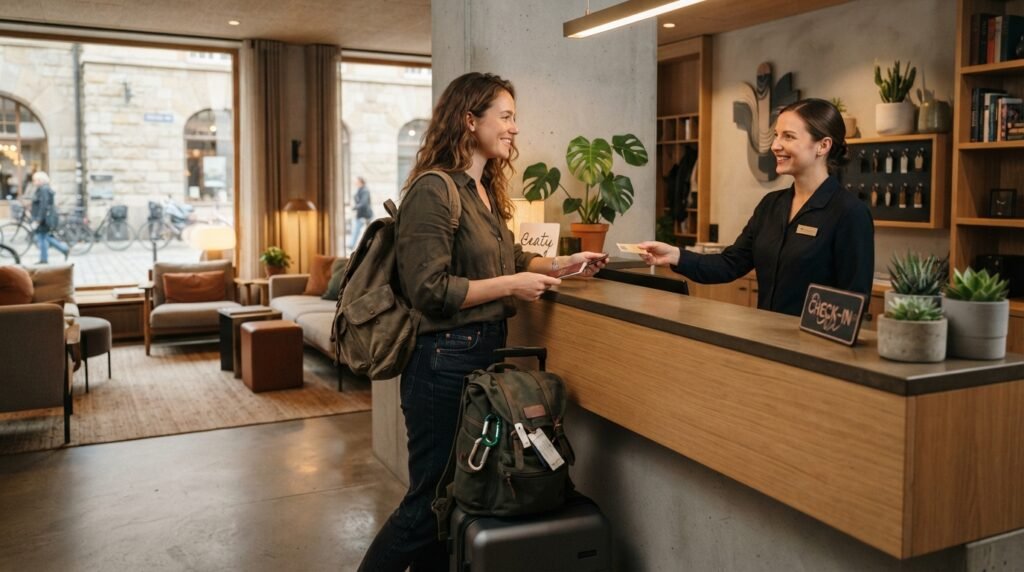
Consider the Location
Before booking, check the property’s location on a reliable map.
Consider whether it is:
- Convenient for public transportation
- Close to the areas you plan to visit
- In an area you are comfortable navigating
- Easy to reach after arriving
- Surrounded by useful services such as shops or restaurants
A slightly more expensive accommodation in a convenient location can sometimes make a trip easier than choosing a cheaper property far away from everything.
Read Recent Reviews
Reviews can provide useful information about:
- Cleanliness
- Location
- Staff
- Noise
- Check-in experience
- General guest experience
Pay attention to recent reviews rather than relying entirely on very old feedback.
Keep Your Room Secure
When staying in accommodation:
- Lock your room when leaving
- Keep important belongings secure
- Do not unnecessarily share your room number
- Be cautious about allowing unknown people into your room
- Follow the property’s security procedures
Solo Travel Packing Essentials
Packing for solo travel is similar to packing for any other trip, but organization becomes especially useful when you are responsible for everything yourself.
Important Items to Carry
Consider packing:
- Passport and required travel documents
- Payment cards
- Some cash where appropriate
- Smartphone
- Phone charger
- Power bank
- Travel adapter if needed
- Personal medication
- Basic toiletries
- Weather-appropriate clothing
- Comfortable walking shoes
- Small day bag
Avoid carrying unnecessary valuables that you do not need for the trip.
Keep Important Items Organized
Do not keep every important item in one place.
For example, you can keep your main payment method separate from a backup payment method.
Important documents should also be accessible but protected.
How to Stay Connected While Traveling Alone
Staying connected gives you an additional layer of convenience and security.
Keep Your Phone Ready
Before leaving your accommodation each day, make sure your phone has enough battery for the planned activities.
A power bank can be useful during long days of sightseeing.
Also consider saving important information offline when possible, such as:
- Accommodation address
- Reservation details
- Maps
- Transportation information
- Emergency contacts
Have a Backup Communication Option
Depending on your destination, research how you will access mobile data or Wi-Fi.
Before traveling internationally, check whether your phone and mobile plan support your destination or whether you need another connectivity option.
How to Manage Money When Traveling Alone
Money management is especially important when you do not have a travel companion who can help if something goes wrong.
Carry More Than One Payment Option
Consider having:
- A primary payment card
- A backup card
- Some cash where useful
Do not keep every payment method in the same wallet or bag.
Keep Track of Your Spending
Set a daily or overall travel budget before your trip.
Track major expenses such as:
- Accommodation
- Food
- Transportation
- Attractions
- Shopping
- Unexpected costs
For more detailed budgeting advice, you can also read our How to Travel on a Budget: Complete Guide.
How to Stay Safe While Exploring Alone
You do not need to be constantly worried while traveling. Simple awareness can help you make better decisions.

Stay Aware of Your Surroundings
When walking around an unfamiliar place:
- Pay attention to where you are going
- Keep your phone accessible but avoid being distracted by it constantly
- Be aware of your belongings
- Follow local rules
- Avoid situations that make you uncomfortable
If something feels unsafe, leave the area and move somewhere more secure.
Be Careful With Your Personal Information
There is usually no need to tell strangers detailed information about:
- Where you are staying
- Your complete travel plans
- Your financial situation
- How long you will be alone
You can be friendly while still maintaining reasonable personal boundaries.
Avoid Taking Unnecessary Risks
Solo travel is not the best time to ignore basic safety precautions.
Be particularly careful with activities involving:
- Alcohol
- Unfamiliar transportation
- Remote locations
- Extreme weather
- Water activities
- Adventure sports
Research safety requirements and use reputable providers when participating in activities that require specialized equipment or expertise.
Using Public Transportation Alone
Public transportation can be an affordable and convenient way to explore many destinations.
Research Your Route Before Leaving
Before traveling to a new location, check:
- Which route you need
- Where to buy tickets
- Operating hours
- Where you need to get off
- Whether you need to change services
Having this information ready can reduce confusion when you are already on the move.
Use Official Transportation Information
For current routes, fares, schedules, and service changes, check official transportation sources whenever possible.
Be cautious of unsolicited offers from people claiming to provide transportation services, particularly at airports or major tourist locations.
How to Deal With Common Travel Scams
Tourist scams can occur in many destinations, although the specific scams vary.
Common Warning Signs
Be cautious when someone:
- Creates unnecessary urgency
- Demands an unexpected payment
- Offers a deal that seems unusually attractive
- Insists you use a particular unofficial service
- Requests personal or financial information without a clear reason
If you are unsure, step away and verify the information through an official source.
Do Not Let Pressure Make Your Decision
A common warning sign is being pressured to make a quick decision.
If something does not feel right, take time to check the price, service, or information before agreeing.
Solo Dining Tips
Eating alone can feel unusual at first, but it quickly becomes a normal part of solo travel.
Choose Places That Match Your Comfort Level
You can start with:
- Cafés
- Casual restaurants
- Food markets
- Hotel restaurants
- Local eateries
You can also bring a book, listen to a podcast, or simply use the opportunity to observe your surroundings.
Try Local Food
One advantage of solo travel is being able to choose exactly what you want to eat.
Try local dishes and ask staff for recommendations, while considering food hygiene and any dietary requirements you have.
How to Meet People While Traveling Alone
Traveling alone does not mean you have to spend the entire trip alone.

Join Group Activities
Depending on your destination, you can consider:
- Walking tours
- Cooking classes
- Cultural activities
- Group excursions
- Museum tours
- Organized outdoor activities
Choose reputable providers and review the activity details before booking.
Stay Connected With People at Home
Regularly communicating with friends or family can also make solo travel feel more comfortable, particularly during your first trip.
Solo Travel Safety Checklist
Use this checklist before and during your trip:
| Area | What to Check |
| Documents | Passport, visa, bookings and required documents |
| Accommodation | Location, recent reviews and security |
| Communication | Phone, data/Wi-Fi and emergency contacts |
| Money | Primary card, backup payment method and cash |
| Transportation | Routes, tickets and official information |
| Health | Personal medication and relevant supplies |
| Safety | Local laws, customs and current conditions |
| Emergency Plan | Emergency services and trusted contact |
| Daily Plans | Main activities and approximate location |
| Belongings | Keep valuables secure and avoid unnecessary items |
Solo Travel Mistakes to Avoid
A little planning can help you avoid common problems.
Overplanning Every Minute
A packed schedule can become exhausting.
Leave enough time between activities for transportation, meals, rest, and unexpected changes.
Choosing Accommodation Only by Price
The cheapest property may not be the best value.
Consider location, transportation, reviews, security, and additional costs before making a decision.
Carrying Too Many Valuables
There is usually little reason to take expensive jewelry or electronics that you will not actually use.
Pack only what you need.
Ignoring Local Customs
Every destination has its own social expectations and rules.
Research appropriate clothing, behavior, photography restrictions, and local customs before visiting.
Not Having a Backup Plan
Flights can be delayed, reservations can change, and weather can affect activities.
Keep important booking information accessible and know what your alternatives are if your original plan changes.
First Solo Trip Checklist
Before leaving home, check the following:
- Research your destination
- Check passport and visa requirements
- Book suitable accommodation
- Save accommodation details
- Arrange transportation from arrival point
- Save emergency contacts
- Share your itinerary with someone you trust
- Arrange mobile connectivity if necessary
- Prepare payment methods
- Pack essential documents
- Pack personal medication if needed
- Check the weather
- Research local transportation
- Check current official travel information
- Keep backup copies of important documents
How to Make Your First Solo Trip More Enjoyable
Safety is important, but solo travel should also be enjoyable.
Give Yourself Time to Adjust
It is normal to feel nervous before your first solo trip.
The first day may feel unfamiliar because you are making every decision yourself. Once you understand your surroundings and routine, confidence often improves.
Do Things at Your Own Pace
One of the biggest advantages of solo travel is freedom.
You can:
- Sleep later
- Wake up early
- Spend longer at a museum
- Change restaurants
- Skip an attraction
- Take a rest day
- Change your itinerary
You do not need to follow someone else’s schedule.
Keep Some Flexibility
Have a general plan, but allow yourself to change it.
Sometimes the most memorable parts of a trip happen when you have time to explore without rushing from one attraction to another.
Frequently Asked Questions
Is solo travel safe for beginners?
Solo travel can be suitable for beginners if they choose a destination that matches their experience level and prepare carefully. Research the destination, choose suitable accommodation, keep important contacts available, and avoid unnecessary risks.
What is the safest way to travel alone?
There is no single method that guarantees safety. Sensible precautions include researching your destination, protecting your belongings, staying aware of your surroundings, using reputable transportation and activity providers, and maintaining communication with someone you trust.
How do I choose a destination for my first solo trip?
Choose a destination that you can realistically navigate and that offers accommodation, transportation, and activities that match your comfort level. Consider travel time, language, local conditions, weather, and your budget.
Should I tell someone that I am traveling alone?
You do not need to tell everyone you meet that you are alone. However, it is a good idea to share your basic itinerary and accommodation details with someone you trust at home.
How do I avoid tourist scams when traveling alone?
Research common scams before your trip, use official services when possible, verify prices in advance, and be cautious when someone pressures you into making a quick decision or paying an unexpected fee.
Is it better to stay in a hotel or hostel when traveling alone?
Both can work. A hotel may offer more privacy, while a hostel can provide opportunities to meet other travelers. Consider the location, reviews, facilities, price, and your personal comfort level.
How much should I budget for a solo trip?
There is no fixed amount because costs vary by destination, trip length, accommodation, transportation, food, and activities. Create a budget based on the specific destination rather than using a universal daily figure.
What should I do if I feel unsafe?
Move toward a busy or secure location and seek help from appropriate local authorities, accommodation staff, transportation staff, or another trusted source. If there is an immediate emergency, contact the local emergency service.
Final Thoughts
A successful solo trip does not require you to be fearless or completely independent. It requires preparation, awareness, and the willingness to make sensible decisions.
Start by choosing a destination that fits your experience and budget. Research local conditions, organize your important documents, select accommodation carefully, keep your communication options available, and share your basic plans with someone you trust.
Once you arrive, give yourself time to adjust. Explore at your own pace, stay aware of your surroundings, and do not be afraid to change plans when something does not feel right.
The biggest benefit of solo travel is the freedom to experience a destination on your own terms. With thoughtful preparation and realistic expectations, your first solo journey can become a valuable and memorable travel experience.
Travel Tip: Before traveling, always check current entry requirements, local laws, weather conditions, transportation information, and official travel guidance for your destination. Conditions can change, so use current official sources when making final decisions.