
How to Travel on a Budget: Complete Guide to Affordable Travel
Traveling does not always have to be expensive. With the right planning, you can reduce unnecessary costs and still enjoy a comfortable and memorable trip. From choosing the right destination and travel dates to finding affordable accommodation and managing your daily spending, small decisions can make a significant difference to your overall travel budget.
Whether you are planning your first international trip, a weekend getaway, or a longer vacation, learning how to travel on a budget can help you get more value from your money.
In this guide, you will learn practical budget travel tips for flights, accommodation, food, transportation, activities, and other common travel expenses.
What Is Budget Travel?
Budget travel means planning a trip around your available finances while prioritizing the experiences that matter most to you. It does not necessarily mean choosing the cheapest option for everything.
A good budget traveler looks for better value rather than simply the lowest price. For example, a slightly more expensive hotel located near major attractions may save money on transportation and time.
Budget travel can include:
- Choosing affordable destinations
- Traveling during less busy periods
- Comparing transportation options
- Staying in reasonably priced accommodation
- Eating at local restaurants
- Planning free or low-cost activities
- Setting a daily spending limit
- Avoiding unnecessary fees and impulse purchases
How to Plan a Budget-Friendly Trip
The best way to control travel expenses is to create a realistic plan before you leave. Start by deciding how much you can comfortably spend and then divide your budget among the major parts of your trip.
Set Your Total Travel Budget
Before booking anything, determine the maximum amount you want to spend.
Your total budget may include:
- Flights or other long-distance transportation
- Accommodation
- Local transportation
- Food and drinks
- Attractions and activities
- Travel insurance
- Visa or entry-related costs, where applicable
- Shopping
- Emergency or unexpected expenses
It is also useful to leave some money unallocated for expenses that you did not anticipate.
Choose a Destination That Fits Your Budget
Destination choice can have a major impact on the total cost of a trip.
Instead of choosing a destination first and trying to make it fit your budget, compare several destinations and look at the overall cost of visiting each one.
Consider:
- Accommodation prices
- Food costs
- Public transportation
- Attraction fees
- Flight or transport costs
- Seasonal price changes
- Currency exchange rates
A destination with cheap flights may not necessarily be cheap overall if accommodation and daily expenses are high.
Travel During the Right Season
Traveling during a destination’s busiest period can increase accommodation and transportation costs.
If your schedule is flexible, compare prices across different months or weeks. Shoulder seasons can sometimes offer a useful balance between reasonable weather, fewer crowds, and lower prices.
However, always research the destination’s weather and seasonal conditions before booking.
How to Save Money on Flights
Flights can take up a significant part of an international travel budget, so comparing your options carefully is important.
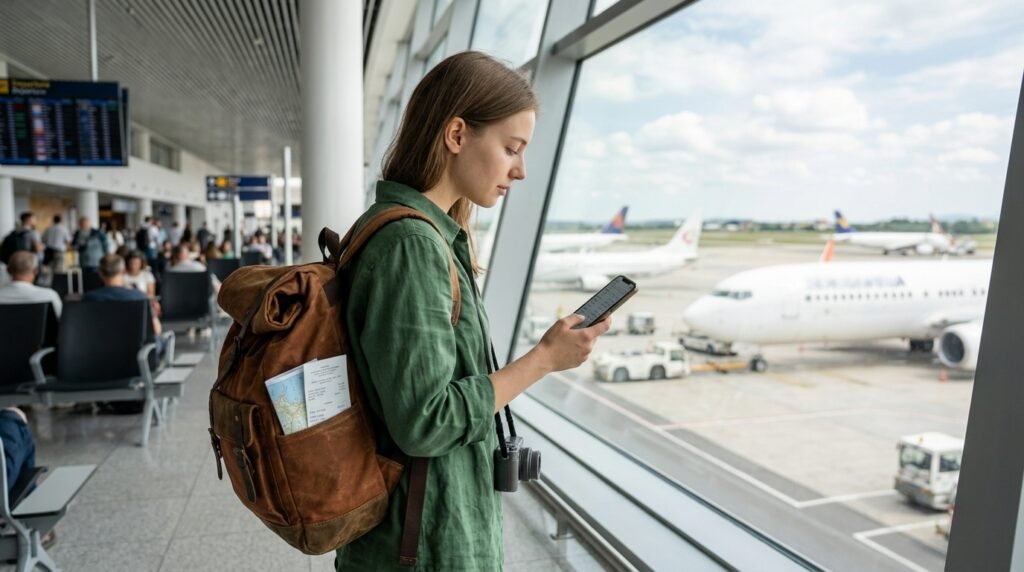
Compare Different Travel Dates
Airfare can vary depending on the date, route, demand, and availability.
If possible, check several departure and return dates rather than booking the first option you find.
You can compare:
- Different travel dates
- Nearby airports
- One-way versus return options
- Different airlines
- Direct versus connecting flights
A connecting flight may sometimes be cheaper, but consider the additional travel time and any extra costs before choosing it.
Check Baggage Costs
A flight that appears cheaper at first may cost more after adding baggage and other optional services.
Before booking, check what is included in the fare, particularly:
- Carry-on baggage
- Checked baggage
- Seat selection
- Changes or cancellations
- Meals, if relevant
Compare the total price, not just the advertised base fare.
Consider Nearby Airports
Depending on your destination, an airport outside the city center may offer different flight options.
But calculate the complete cost before choosing it. A cheaper flight may not save money if getting to or from the airport requires expensive transportation.
How to Find Affordable Accommodation
Accommodation is another major part of a travel budget.
The cheapest room is not always the best choice. Look at the total value, location, facilities, and additional fees.
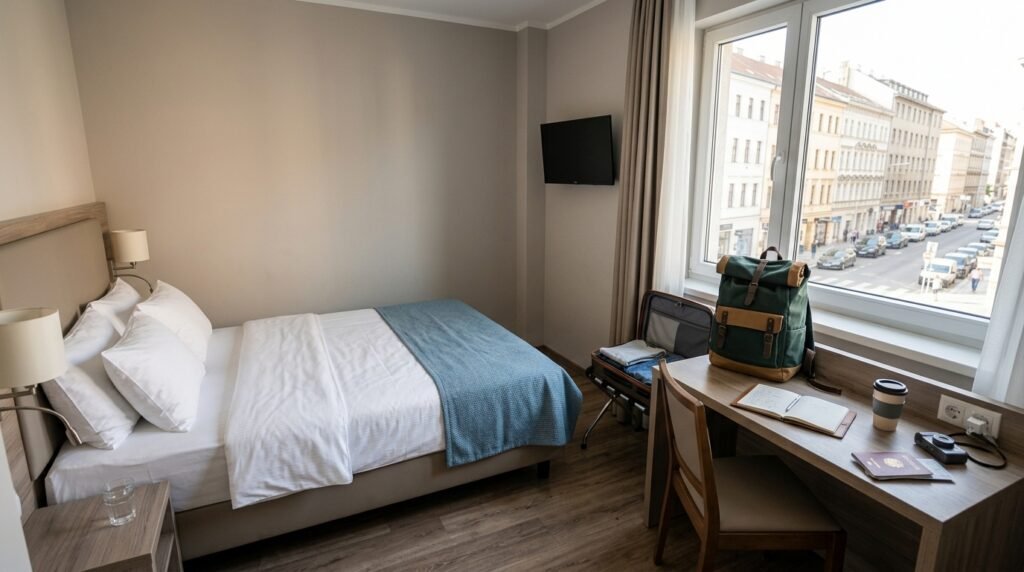
Compare Different Types of Accommodation
Depending on your destination and travel style, you can compare:
- Hostels
- Guesthouses
- Budget hotels
- Vacation rentals
- Serviced apartments
- Mid-range hotels
Solo travelers may find hostels useful, while families or groups may sometimes benefit from accommodation with kitchen facilities.
Choose Location Carefully
Location can affect your budget more than you might expect.
A hotel far from the main attractions may have a lower nightly rate but require more spending on taxis, buses, trains, or other transportation.
When comparing accommodation, consider:
Room price + transportation costs + convenience
rather than looking at the room price alone.
Check the Total Booking Cost
Before confirming a reservation, check whether the displayed price includes all applicable charges.
Look for:
- Taxes
- Cleaning fees
- Resort or destination fees, where applicable
- Breakfast charges
- Parking
- Additional guest fees
The final amount is more important than the initial advertised rate.
How to Save Money on Food While Traveling
Food can become a surprisingly large expense when you eat every meal at expensive tourist-oriented restaurants.
That does not mean you need to avoid restaurants altogether.
Eat Like a Local
Local restaurants, markets, cafés, and casual food spots can often provide good value while giving you an opportunity to experience the local cuisine.
You can also ask accommodation staff or local residents for recommendations.
Use Accommodation Facilities
If your accommodation includes a kitchen or refrigerator, preparing some meals yourself can reduce food costs.
Even simple options such as breakfast or snacks can help lower your daily spending.
Plan Your Meals
Instead of buying food whenever you become hungry, consider planning roughly where and when you will eat.
This can help you avoid unnecessary purchases, especially in expensive tourist areas.
How to Save Money on Local Transportation
Transportation costs can add up quickly, especially in large cities.
Use Public Transportation
When it is safe, convenient, and available, public transportation can be more affordable than using taxis for every journey.
Depending on the destination, this may include:
- Buses
- Metro systems
- Trains
- Trams
- Public ferries
Before your trip, check the official local transportation information for routes, fares, operating hours, and ticket options.
Walk When Practical
Walking is free and can also be a great way to explore a destination.
If attractions are located relatively close together, consider walking instead of taking transportation between every stop.
Compare Transportation Passes
Some cities offer daily or multi-day transportation passes.
Before buying one, estimate how often you will actually use public transportation. A pass is useful only when it provides better value than paying for individual journeys.
How to Save Money on Activities
You do not need to pay for an attraction every day to have a great trip.
Look for Free Attractions
Many destinations offer free experiences such as:
- Public parks
- Beaches
- Walking areas
- Historic neighborhoods
- Markets
- Scenic viewpoints
- Public spaces
- Free cultural events
Research free attractions before your trip and add them to your itinerary.
Check Discount Days and Combined Tickets
Some museums and attractions offer discounted admission at specific times or days.
Some destinations also offer city passes that combine multiple attractions.
Before purchasing one, calculate whether you will actually visit enough included attractions to make the pass worthwhile.
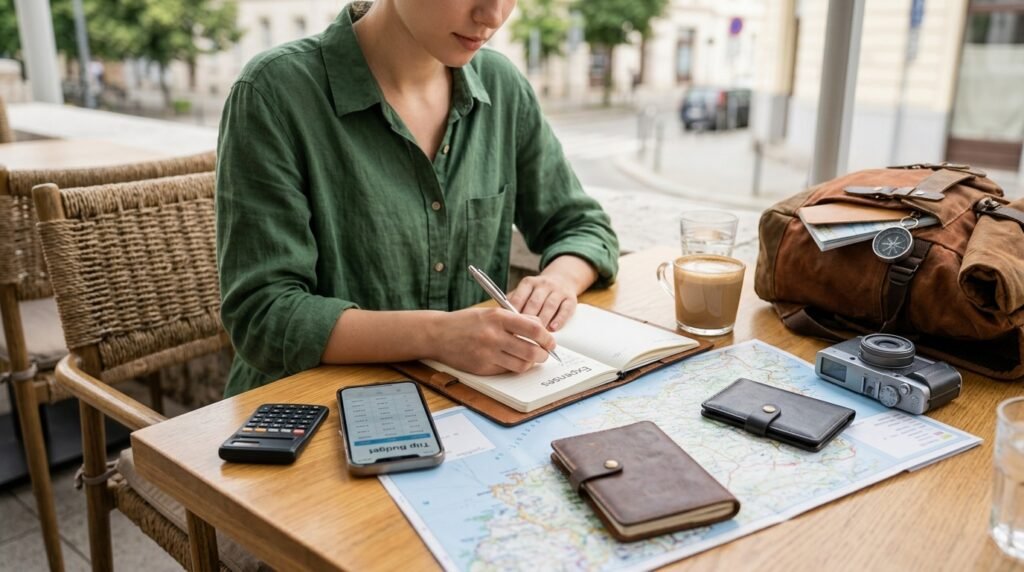
How to Create a Daily Travel Budget
A daily budget makes it easier to control your spending while you are traveling.
A simple approach is to divide your trip expenses into categories.
| Expense Category | What to Include |
| Accommodation | Hotel, hostel, guesthouse, rental |
| Food | Breakfast, lunch, dinner, snacks |
| Transportation | Public transport, taxis, transfers |
| Activities | Attractions, tours, entertainment |
| Shopping | Souvenirs and personal purchases |
| Emergency Fund | Unexpected expenses |
The exact amount you need will depend on your destination, travel style, trip length, and personal preferences.
Track Your Spending
You do not need complicated financial software to monitor your travel expenses.
You can use:
- A notes app
- A spreadsheet
- A budgeting app
- A simple daily list
Record your major expenses and compare them with your planned budget.
If you spend more than expected on one category, you can adjust another category instead of losing control of your overall budget.
Budget Travel Mistakes to Avoid
Saving money does not mean choosing every option that appears cheapest.
Choosing the Cheapest Option Without Checking the Details
A low price may come with additional costs, inconvenient locations, long travel times, or restrictive conditions.
Always compare the total cost and value.
Overpacking
Extra luggage can sometimes result in additional baggage costs and makes moving between destinations more difficult.
Pack according to your trip length, destination, weather, and accommodation facilities.
Ignoring Travel Insurance
Trying to save money by ignoring travel insurance can expose you to potentially significant unexpected costs.
Whether insurance is appropriate depends on your destination, activities, personal circumstances, and the coverage available to you.
Planning Too Many Activities
Booking activities every day can quickly increase your expenses.
Leave some free time in your itinerary for walking, relaxing, exploring neighborhoods, and enjoying experiences that cost little or nothing.
Forgetting Extra Fees
Always look beyond the advertised price.
Check for:
- Baggage fees
- Booking fees
- Transportation charges
- Taxes
- Accommodation fees
- Attraction fees
This helps you create a more accurate travel budget.
Simple Budget Travel Checklist
Before leaving home, use this checklist:
- Set your total trip budget
- Research destination costs
- Compare travel dates
- Compare flight or transportation options
- Check baggage allowances
- Compare accommodation
- Check the final accommodation price
- Research local transportation
- Plan affordable meals
- Find free or low-cost activities
- Set a daily spending limit
- Keep an emergency fund
- Check passport and visa requirements
- Check current travel requirements
- Consider travel insurance
Budget Travel vs Luxury Travel
Budget travel does not mean that you cannot enjoy comfortable or memorable experiences.
The main difference is how you prioritize your spending.
| Feature | Budget Travel | Luxury Travel |
| Accommodation | Budget hotels, hostels, guesthouses | Luxury hotels and resorts |
| Transportation | Public transport and economy options | Private transfers and premium options |
| Food | Local restaurants and casual dining | Fine dining and premium restaurants |
| Activities | Free and low-cost experiences | Private tours and premium experiences |
| Planning | More price comparison | More convenience-focused |
| Main Goal | Maximize value | Maximize comfort and service |
You can also combine both approaches. For example, you might save money on transportation and accommodation while spending more on one special activity or memorable meal.
How to Travel on a Budget Without Missing Out
One of the biggest misconceptions about budget travel is that you have to sacrifice everything.
Instead, decide which experiences matter most to you.
For example, you could:
- Stay in a moderately priced hotel but enjoy one special dinner.
- Use public transportation but pay for an important guided tour.
- Choose free attractions during the day and spend on an evening experience.
- Save on accommodation by staying outside the most expensive tourist area while remaining close to public transportation.
The goal is not to spend as little as possible. The goal is to spend your money where it adds the most value to your trip.
Frequently Asked Questions
How can I travel on a budget?
Start by setting a realistic total budget and comparing the major costs of your trip, including transportation, accommodation, food, activities, and local travel. Choose options that provide good value rather than automatically selecting the cheapest option.
What is the best way to save money while traveling?
The biggest opportunities usually come from planning transportation and accommodation carefully. Flexible travel dates, affordable accommodation, public transportation, local food, and free attractions can also help reduce daily expenses.
Is budget travel only for backpackers?
No. Budget travel can work for solo travelers, couples, families, and groups. It simply means making deliberate spending choices based on your available budget.
How much money should I budget for a trip?
There is no universal amount. Your budget depends on the destination, trip duration, accommodation, transportation, food, activities, and travel style. Research the typical costs at your destination and build your own estimate.
Is it cheaper to cook while traveling?
It can be, particularly for breakfast, snacks, or simple meals, but it depends on local food prices and your accommodation. If your accommodation has kitchen facilities, compare grocery costs with local restaurants before deciding.
How can I save money on accommodation?
Compare different accommodation types, travel dates, and locations. Also check the final price for taxes and additional fees. A slightly more expensive accommodation in a convenient location can sometimes reduce transportation costs.
How can I save money on flights?
Compare different dates, airlines, nearby airports, and fare types. Always check baggage and other additional fees so you are comparing the actual total cost.
Should I avoid expensive tourist attractions?
Not necessarily. If an attraction is important to you, include it in your budget. You can balance the cost by combining paid experiences with free or low-cost activities.
Final Thoughts
Learning how to travel on a budget is less about avoiding every expense and more about making smarter decisions with the money you have.
Start by choosing a destination that matches your budget, compare transportation and accommodation carefully, eat at a mix of local and affordable places, use public transportation when practical, and look for free experiences.
Most importantly, decide what matters most to you before your trip. Saving money on things you do not care about can give you more room to spend on the experiences you will actually remember.
With thoughtful planning, a limited budget does not have to stop you from exploring new places and creating meaningful travel experiences.
Travel Tip: Prices, transportation options, entry requirements, and local conditions can change. Before booking, check current information from official airlines, accommodation providers, tourism authorities, and other relevant official sources.